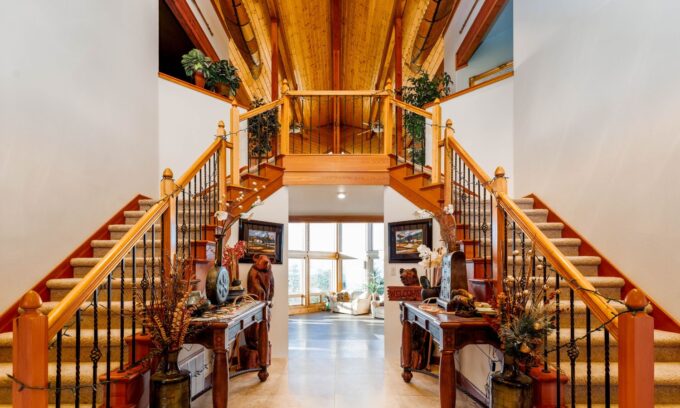
When photographing luxury homes, capturing the grandeur and intricate details of their architecture is key to conveying the property’s value and character. Distinct architectural elements like vaulted ceilings, grand staircases, and artisanal craftsmanship deserve special attention, as they often represent the heart and soul of a home. Here are some approaches to ensure these features truly shine in your luxury home photography.
Vaulted Ceilings in Luxury Home Photography
Using Wide-Angle Shots for Scale
Vaulted ceilings are a hallmark of luxury, adding height, spaciousness, and drama to any room. Position yourself in a corner or use a wide-angle lens to capture this architectural detail effectively to provide a sense of scale. Incorporate some furnishings to give context, but ensure that the ceiling remains the focal point.
Lighting Techniques for Vaulted Ceilings
Lighting is not just crucial, it’s your secret weapon. Natural light pouring through high windows can emphasize the vertical lines, while carefully placed artificial lighting can highlight decorative beams or coffered patterns. Mastering a balance of these lighting techniques can showcase the ceiling’s grandeur without overwhelming the scene, giving you the power to control the narrative of your photographs.
Drone Photography for Unique Perspectives
A drone can also be helpful when capturing expansive vaulted ceilings in large rooms. It offers an angle that reveals the ceiling’s full impact, providing a unique perspective that highlights the design’s scale and intricacy.
Grand Staircases: A Captivating Focal Point
Choosing the Right Angles
Grand staircases are often a visual anchor in luxury home photography, drawing the eye and adding movement to a space. When photographing a staircase, choose an angle that captures its sweeping curves or intricate railings. Shooting from the base looking upward can emphasize its majestic rise, while a side perspective highlights the balusters’ craftsmanship and the steps’ flow.
Utilizing Leading Lines to Enhance Flow
Pay attention to leading lines. These can naturally guide the viewer’s eyes, inviting them to explore the home further. Ensure that the staircase’s unique features, such as ornamental details or elegant materials, are captured clearly to enhance the viewer’s appreciation. Consider taking multiple shots from different angles to provide a complete view of the staircase, emphasizing the artistic design and craftsmanship.
Including a wide-angle shot of the staircase in context with the rest of the room can also give a sense of grandeur and space, showing how the staircase connects different areas of the home. Adding details like lighting along the steps can further enhance the luxurious feel of the stairs.
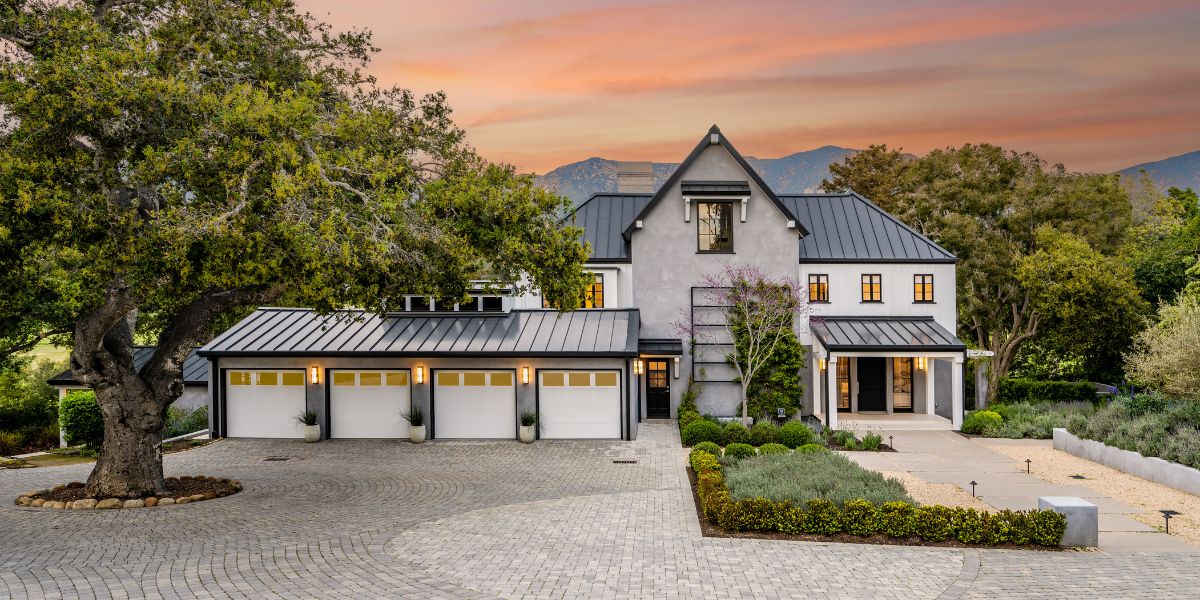
Artisanal Craftsmanship: Showcasing the Details
Highlighting Texture and Patterns
Luxury homes often feature artisanal craftsmanship, from hand-carved moldings to custom stonework, that speaks to the quality and uniqueness of the property. Highlight these details by getting up close and using a shallow depth of field, making the craftsmanship stand out against a softly blurred background.
This approach draws attention to textures and patterns, whether intricate woodwork, decorative tiles, or ornate ironwork. Experiment with angles and light to emphasize the artistry involved, ensuring each element is portrayed with clarity and respect for its intricacy.
Macro Photography for Fine Details
Another effective technique that can inspire your creativity is macro photography, which captures the most minor details. This can reveal the finesse and skill involved in the craftsmanship, such as delicate carvings or artistic tile work, which may not be visible from a distance. Macro shots can add a rich layer of storytelling to your photos, allowing viewers to appreciate the finer aspects of luxury craftsmanship.
Lighting Considerations for Architectural Photography
Natural vs. Artificial Lighting
Architectural photography, particularly for luxury home photography, relies heavily on proper lighting. Natural light is often the best way to bring out the true essence of a space, but it’s important to avoid harsh shadows that can obscure details. Use diffused light to soften the scene, and consider shooting at different times of the day to see how light interacts with the architectural elements.
Balancing Natural and Artificial Light
Supplementing with artificial lighting, such as LED panels, can also ensure the unique features are well-lit without appearing overexposed. Balancing natural and artificial light can add depth and warmth, enhancing the luxurious feel of the property.
Light Painting for Intricate Architectural Features
Consider using light painting, especially in dark or intricate areas. This technique involves using a handheld light source to selectively illuminate parts of the room during a long exposure shot, which can highlight details in a way that traditional lighting might not capture. It’s beneficial for bringing out the best in stonework, wood textures, or unique architectural features that need subtle light to reveal their beauty.
Composition Techniques to Elevate Your Shots
Leading Lines and Symmetry
Using composition techniques like leading lines, symmetry, and framing can elevate your shots of architectural details. Leading lines, such as those created by a staircase railing or ceiling beams, guide the viewer’s gaze and develop a sense of movement. Symmetry is another powerful tool, especially when dealing with grand elements like double-height ceilings or mirrored staircases.
Framing Architectural Elements
Framing, using doorways, arches, or windows, can help draw attention to a particular detail, adding depth and interest to the image. Thoughtful composition highlights the architectural features and creates a visually pleasing narrative that invites viewers to imagine themselves within the space.
Using Negative Space
Negative space can also be used effectively to highlight key architectural elements. Leaving parts of the image uncluttered allows the eye to focus directly on the feature of interest, creating a sense of simplicity and elegance often associated with luxury.
Post-Processing for Architectural Highlights
Adjusting Highlights and Shadows
Post-processing is essential for enhancing the impact of your photos. When editing shots of architectural elements, focus on adjusting highlights and shadows to bring out textures and depth. Tools like perspective correction can help ensure lines are straight and proportions are accurate, which is especially important when dealing with tall ceilings or complex structures.
The goal is to enhance the luxury feel without making the image look overly edited. Subtle adjustments that maintain the authenticity of the architectural details will resonate more with viewers, allowing them to fully appreciate the craftsmanship and design.
Color Correction for Consistency
Color correction is also an essential aspect of post-processing. Ensuring all photos’ colors are accurate and consistent can help convey a cohesive and polished look. Adjusting the white balance to match the lighting conditions will further enhance the space’s natural appeal, giving the images a true-to-life yet refined appearance.
Telling a Story Through Architecture
Sequencing Photos to Create a Narrative
Photographing architectural details in luxury home photography is about telling a story that speaks to craftsmanship, grandeur, and the unique character of the space. Understanding what defines a luxury home is crucial to effectively showcasing these details. By focusing on distinct elements like vaulted ceilings, grand staircases, and artisanal details, you can create images that not only showcase the home’s luxury but also evoke an emotional connection with potential buyers or admirers.
The right combination of composition, lighting, and attention to detail will ensure that your photographs convey the elegance and sophistication of the property. The story behind each architectural element can be brought to life through careful planning and thoughtful execution, helping potential buyers envision the lifestyle that comes with owning such a luxurious home.
To strengthen the storytelling aspect, consider sequencing your photos in a way that leads viewers through the space. Start with broad, establishing shots to set the scene, then transition to closer, detailed shots that highlight specific architectural features. This progression can create a narrative flow, allowing viewers to experience the home as if they were walking through it.
Adding Human Elements for Relatability
Incorporating human elements, such as a hand on a railing or a silhouette in front of a large window, can add scale and relatability to the images. This helps to create an emotional connection, making the luxury space feel inviting rather than unattainable.
Using these techniques, you can ensure that your luxury home photography captures the architectural splendor and evokes the aspirational lifestyle associated with such properties.

Bringing Luxury Homes to Life Through Photography
Capturing the architectural details of luxury homes is an art that requires a thoughtful approach to lighting, composition, and storytelling. You can create powerful images that convey beauty and value by focusing on elements like vaulted ceilings, grand staircases, and artisanal craftsmanship. Thoughtful use of natural and artificial lighting, strategic composition, and careful post-processing are all essential to highlight these details and bring the essence of luxury to life.
In luxury home photography, every detail matters. With the right techniques, you can showcase a property’s architectural splendor and evoke an emotional connection that invites potential buyers to envision themselves in the space. Ultimately, your goal is to present not just a home but a lifestyle that is rich, sophisticated, and uniquely captivating.